
'Haku Haku'
Santa Ynez Band of Chumash opens museum and cultural center

COME ON IN: Located at 3500 Numancia St., the Santa Ynez Chumash Museum and Cultural Center is open Thursdays through Sundays from 10 a.m. to 5 p.m. Admission is $15 for adults ages 18 to 64; $12 for teenagers, seniors 65 and older, and active duty military members with identification; and $10 for children ages 3 to 12. Children under 3 and Santa Ynez Chumash community members can enter for free. 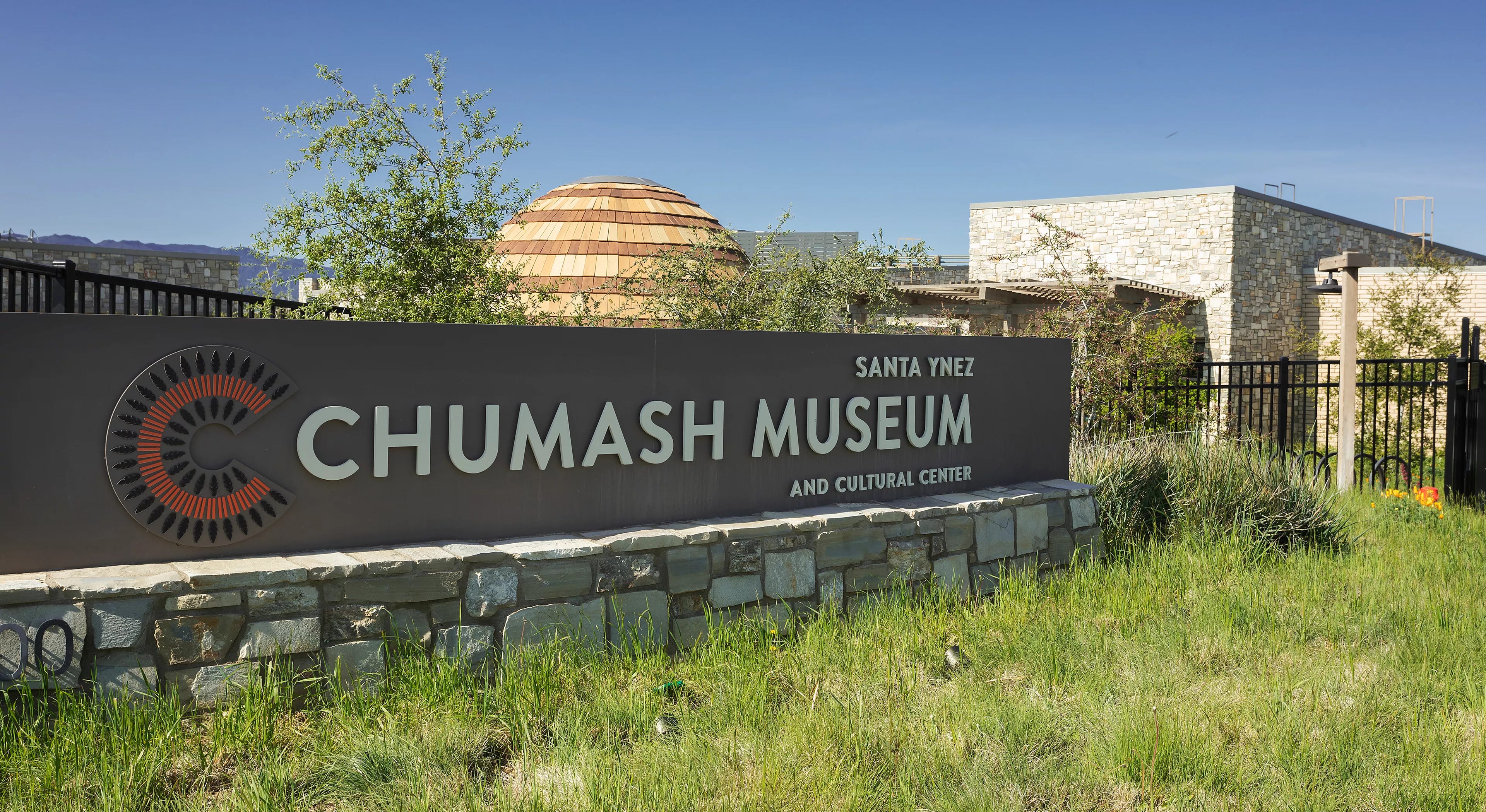
There aren’t many places one can go to receive a welcome blessing as they walk through the door. At least there weren’t—until now.
The Santa Ynez Chumash Museum and Cultural Center opens to the public on May 15. A “Haku Haku” greeting is just one feature the museum has to offer, according to Kathleen Marshall, the chairwoman of the tribe's museum board.
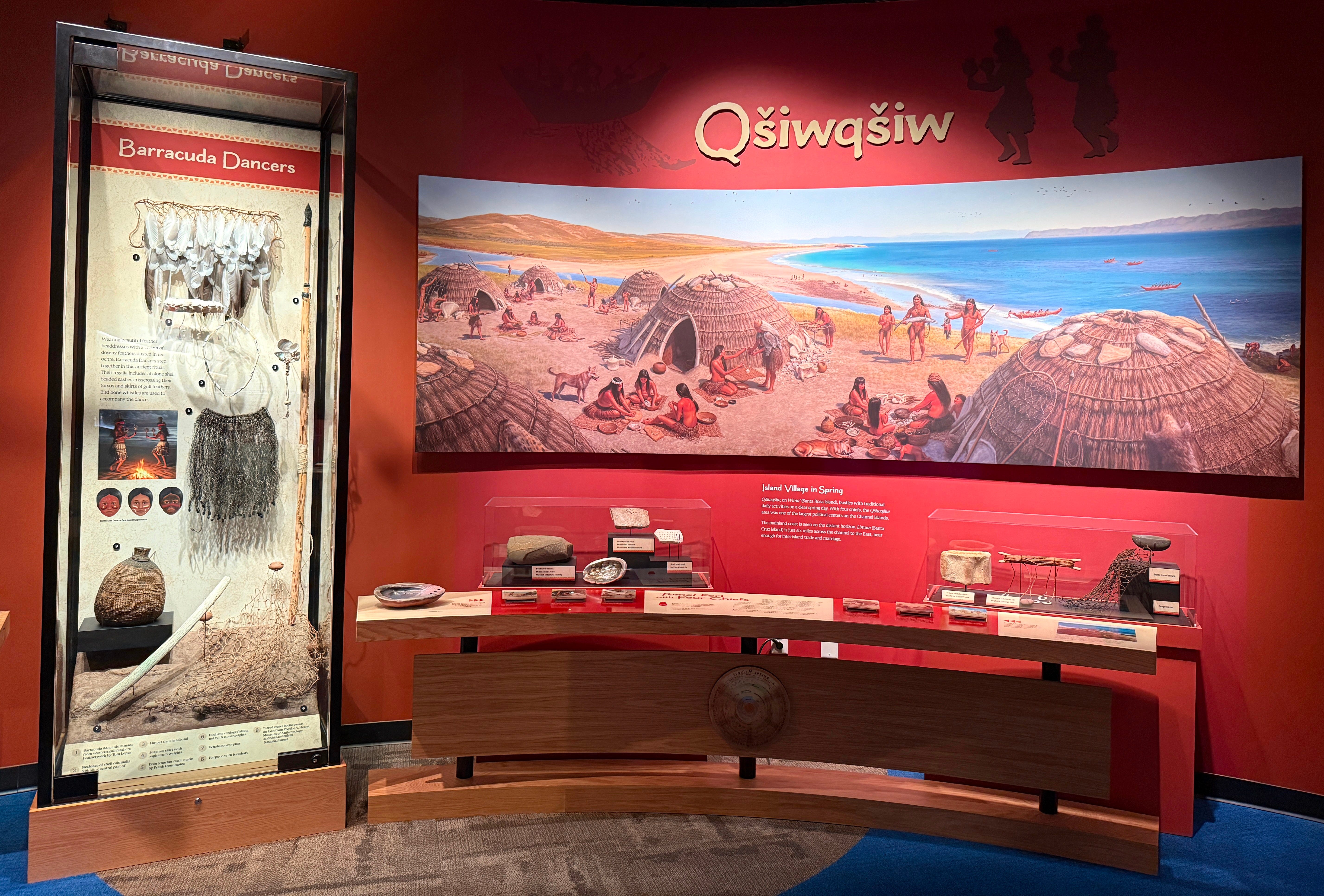
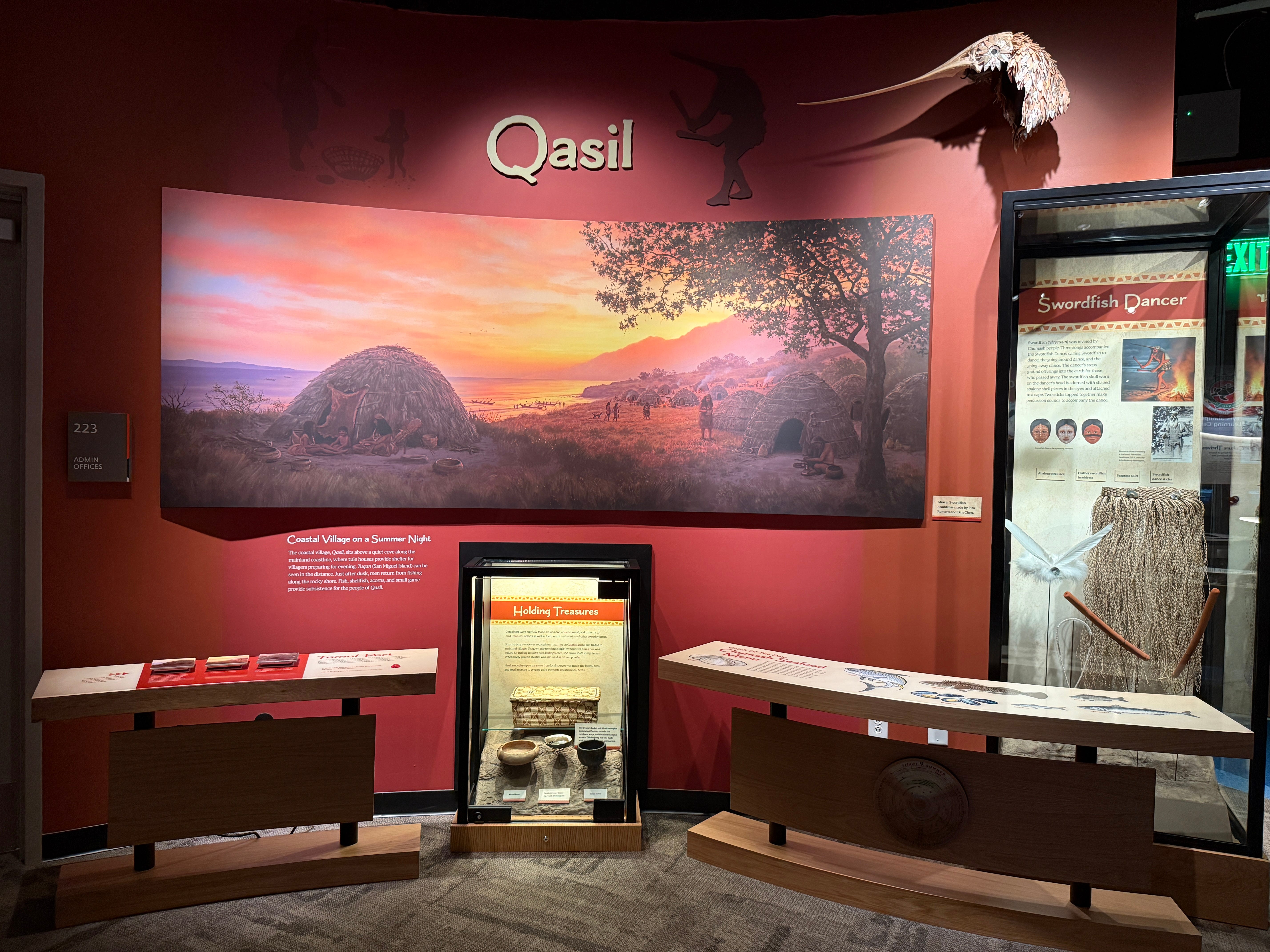
Vivid paintings of former village sites provide guests an opportunity to experience the past the old way—before virtual reality existed—while displays of ceremonial regalia highlight Chumash attire, Marshall said.
For auditory learners, Marshall said the museum includes recordings of elders speaking about living on reservations and a responsive exhibit that plays corresponding sounds as guests touch pictures of Chumash instruments.
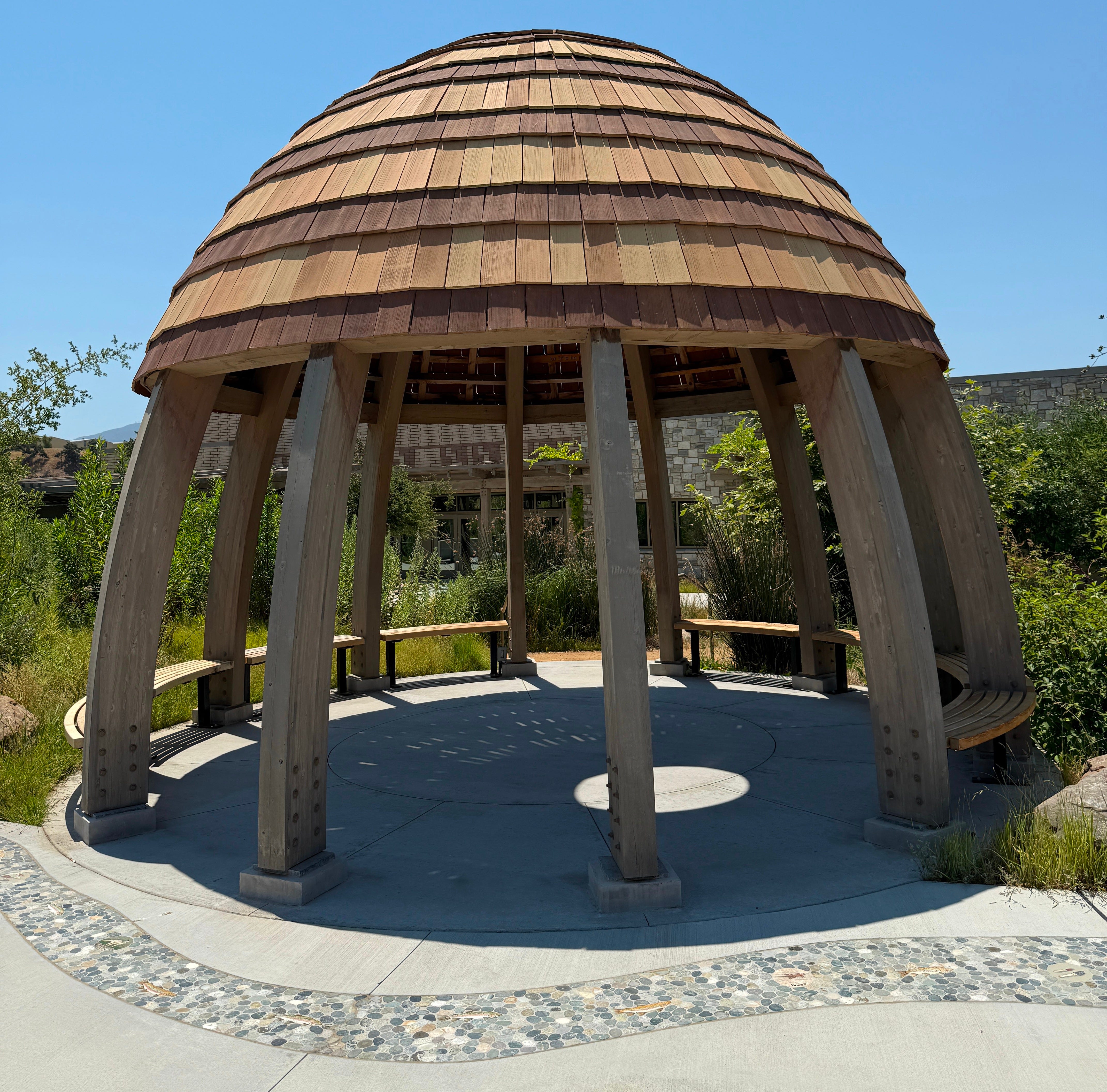
The building was designed by architect Johnpaul Jones—the lead design consultant for the Smithsonian Institution’s National Museum of the American Indian [NMAI] and recipient of a National Humanities Medal in 2013—to reflect the Chumash tribe’s cultural heritage. Marshall said Jones modeled the domes at the ends of the back side of the building to represent ‘ap, traditional Native American homes known colloquially as tipis or huts.
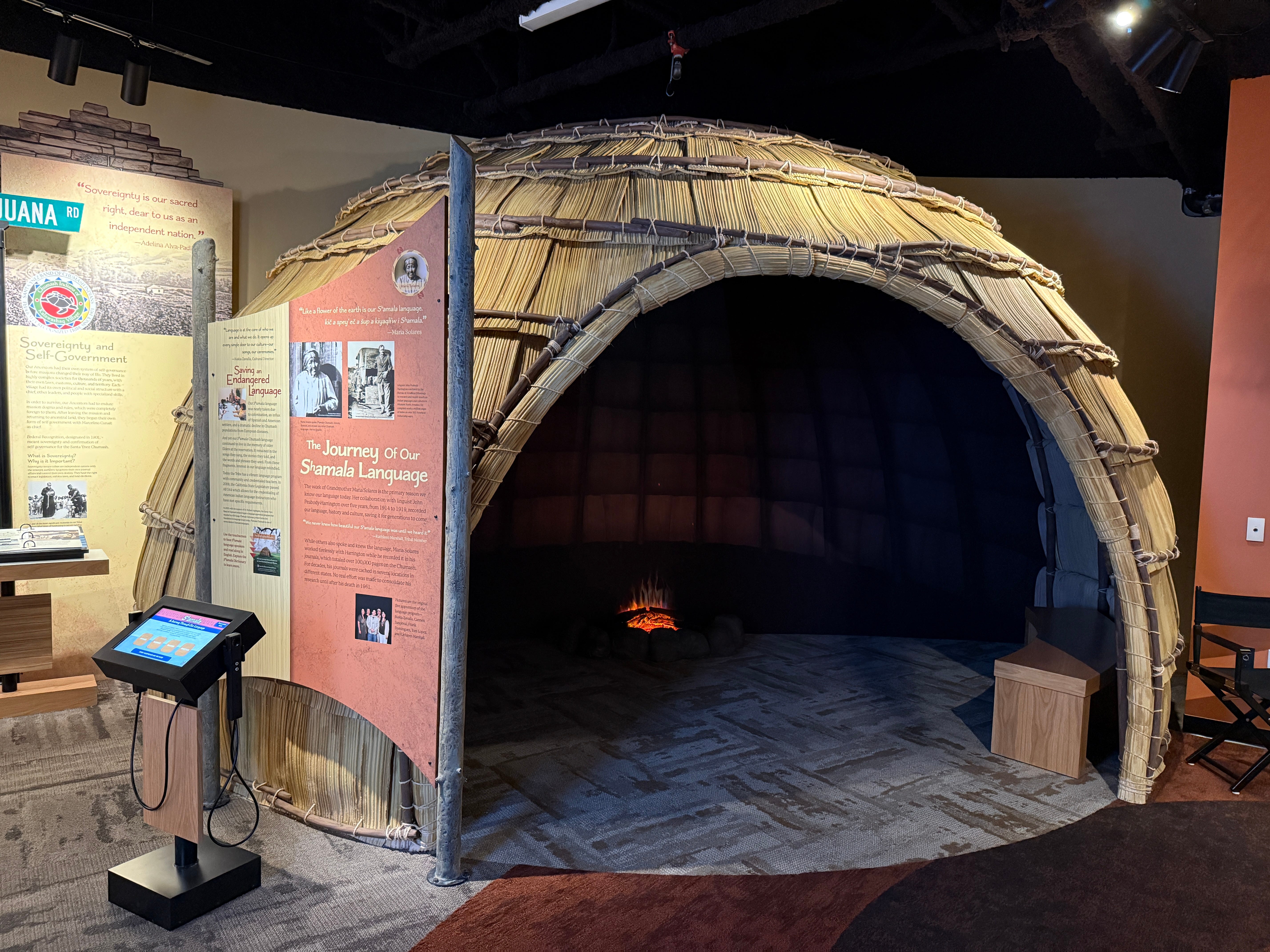
The museum itself is designed to tell the story of the Samala territory, the Chumash peoples’ ancestral homeland located in modern Santa Barbara County, according to Marshall. All in all, Marshall said the journey through the museum should take guests between an hour and two, depending on how in-depthly they interact with the exhibits.
“People don’t really know who we are. It’s not taught in schools. This gives us an opportunity to educate the people on who we were and who we are today,” Marshall said.
The Santa Ynez Band of Chumash Indians was federally recognized in 1901; it is the only Chumash tribe in the U.S. to be federally recognized, according to the Bureau of Indian Affairs.
Although the museum itself may be new to guests, Santa Ynez Chumash members have been trying to bring it to life for decades.
“We started off as an advisory committee about 20 years ago, but the thought of having a museum has existed since the ‘70s,” Marshall said.
For 18 years, members of the committee met monthly to consider how exactly they wanted to design their museum, Marshall said.
To generate ideas, Marshall said they visited museums across the East Coast that hold Native artifacts. She said the NMAI in Washington, D.C., and the Pequot Museum in Connecticut were two of the biggest influences considered when putting together the Chumash Museum in Santa Ynez.
Marshall said seeing the “old school” approaches of most museums led the committee to pursue a more modern approach.
“We wanted to show that, yes, we have these beautiful items our ancestors left us, but we’re still creating those today,” Marshall said. “It was important to make sure we represent our ancestors while also [showing] we are still living.”
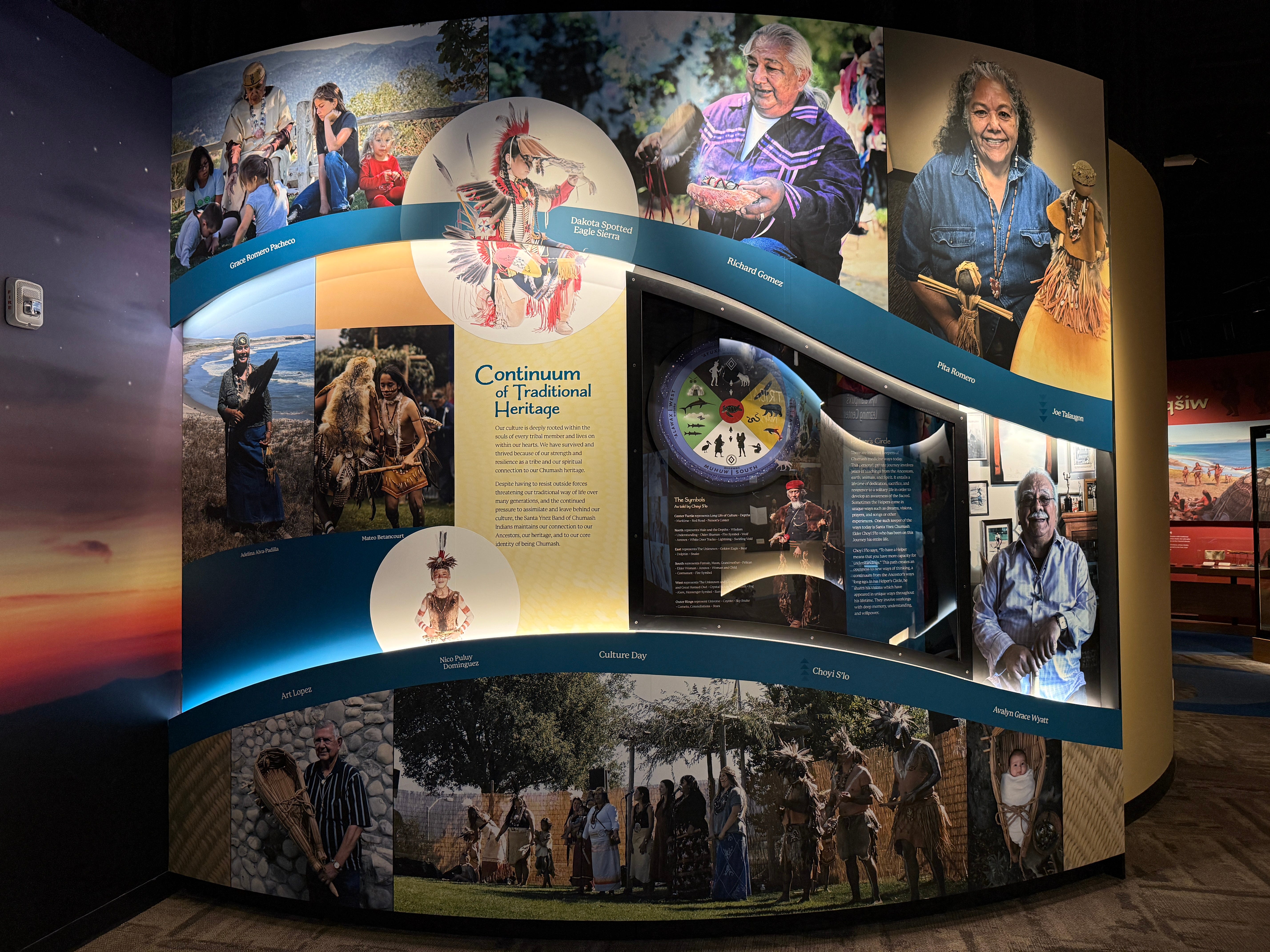
So, when the advisory committee turned into an actual board and Marshall was put at the helm, she made sure to include exhibits representing current lingual trends, basket weavers, and community leaders.
Marshall said the museum features a number of culturally significant objects recreated by current Chumash members. Some of the ones she highlighted included Sofia Mata-Leon’s Abalone pendants, Chanse Zavalla’s steatite bowl, Levi Šičwat Zavalla’s fishing net, and Frank Dominguez’s bone whistles.
Actual relics, on the other hand, require a little more patience to obtain.
“The artifacts weren’t just left for us,” Marshall said. “All of the artifacts were stolen, and the tribe had to acquire them back through [the Native American Graves Protection and Repatriation Act]. Most of the artifacts we have on display were brought back because the tribe purchased or was loaned them.”
Marshall said having to depend on the willingness of private sellers just to possess her ancestors’ possessions can be frustrating.
“Not only is it financially a burden, but it hurts to know we have to do this. It’s draining,” Marshall said. “They were stolen from graves or taken from village sites and then sold to other people or given to institutions. Yes, it would be a perfect world if people would just be like, ‘Oh, you’re ancestors made these? You can have these back.’ But, that’s not the reality of what’s happening.”
When the tribe does make it happen, the process of bringing artifacts like arrowheads or ancient water bottles back home can be emotional, Marshall said.
“We sing. We’re happy. It’s a piece of our ancestors returning home where it belongs,” Marshall said.
Felicia Cogorno, the education programs and volunteer manager for the museum, said she’s excited the museum will finally provide her tribe the opportunity to tell their story through their perspective using their language.
As the education programs manager, Cogorno said she’s aiming to teach the museum’s guests the principles of diversity, reciprocity, continuity, ingenuity, resilience, preservation, and sovereignty through the exhibits she’s curated.
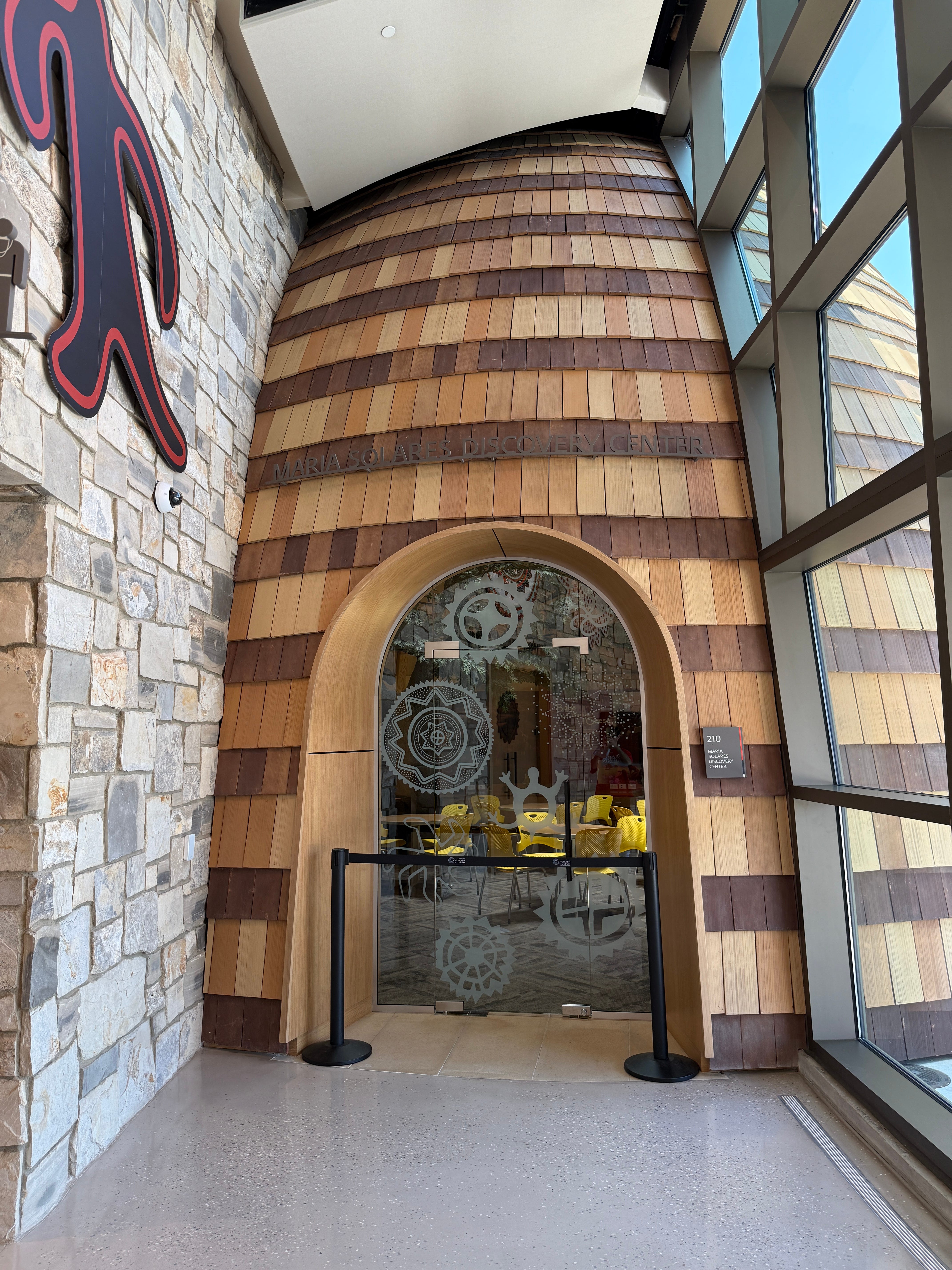
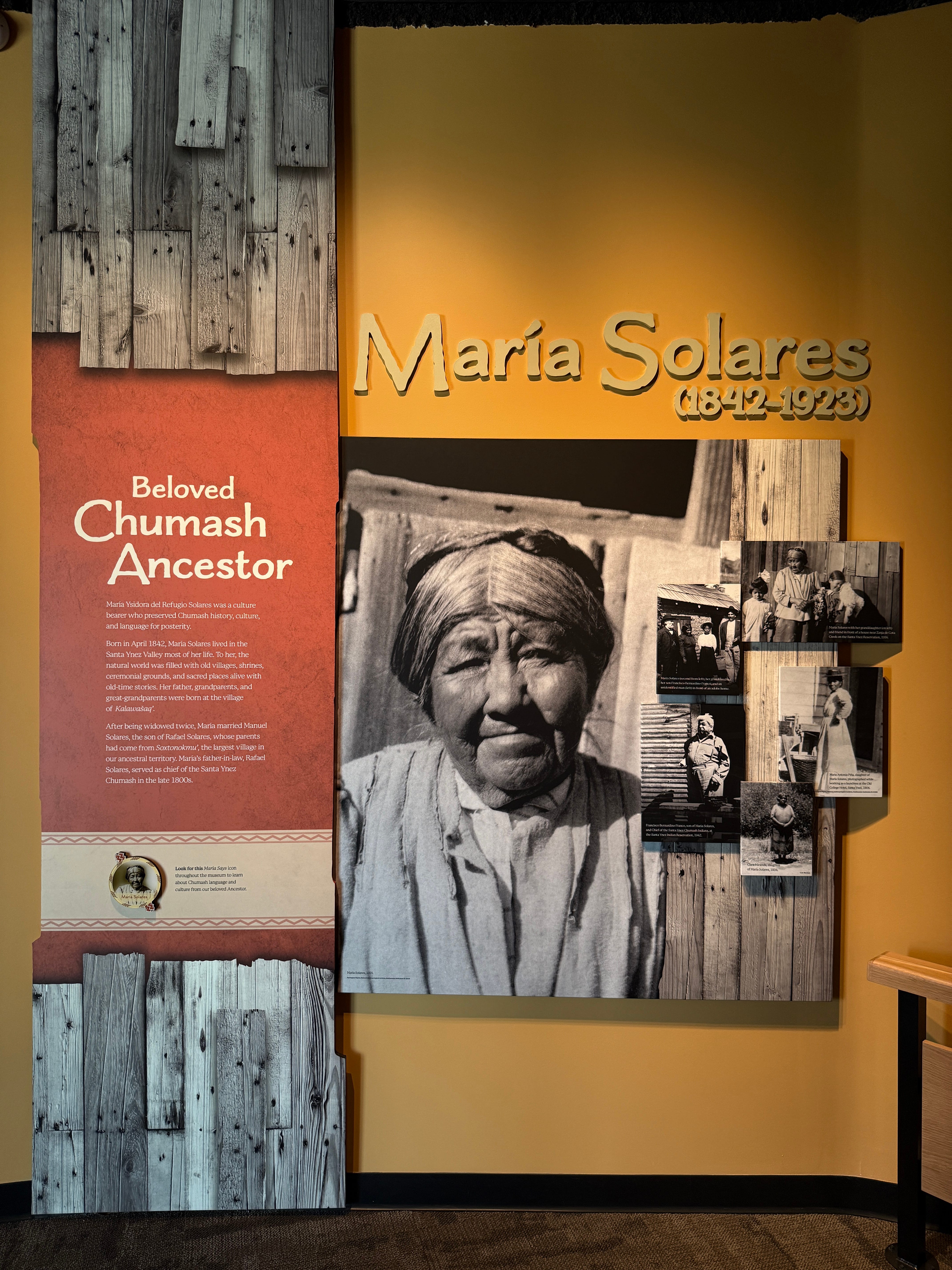
As a member of the Chumash tribe, Cogorno said she worked hard to gather books that all feature Indigenous authors or topics for the Maria Solares Discovery Center, the museum’s classroom space named after the tribe’s ancestor. One book she highlighted was Spirit Rangers by tribe member Karissa Valencia, which even has a corresponding Netflix show.
“Growing up, as an indigenous student, it was difficult to have to search out books written by other Native people,” Cogorno said. “I wanted to create a space where Native students could easily see themselves in the books we have available.”
In the future, Marshall said the tribe hopes to host special events, fundraisers, and potentially even classes on topics like basket weaving and flintknapping at the museum. She said the museum has a gathering space called the Heritage House that the tribe plans on leasing out.
“As someone who went to school here, I wish I would’ve had this museum to go to as a young person,” Cogorno said. “I encourage everyone, Chumash or not, to come visit.”
Highlight
The Santa Maria-Lompoc Branch of the National Association for the Advancement of Colored People was awarded $30,000 from Santa Barbara County’s Racial Equity Grant last month. The group plans to use the money to fund an annual gathering honoring Dr. Martin Luther King Jr., two annual celebrations of Black history, its Unsung Heroes Project, and culturally competent programming in schools, according to a press release.
*This story was originally published May 15, 2025, at https://www.santamariasun.com/news/santa-ynez-band-of-chumash-opens-museum-and-cultural-center-16497723